Module 3 - Game Design Tools
Module Overview
When you think about tools and games, you probably think of game engines, animation tools, programming languages, sound design, or 3D modeling software. While these tools are definitely a part of the process to develop games, these aren't the kind of tools we are talking about. Game design tools aren’t like the wrenches or screwdrivers you might think of for working on machines. Instead, the basic tools of game design are more like the foundational principles of visual art like color theory, symmetry, contrast and hierarchy. These sort of tools help designers understand the parameters of game design in the same way that color, line, form, and composition establish the basic parameters of visual art.
Let's get started!
Constraint
- Having to stay on the path in candy land and only being able to navigate the road through drawing colored cards where otherwise just going straight up the board to the goal would be easier.
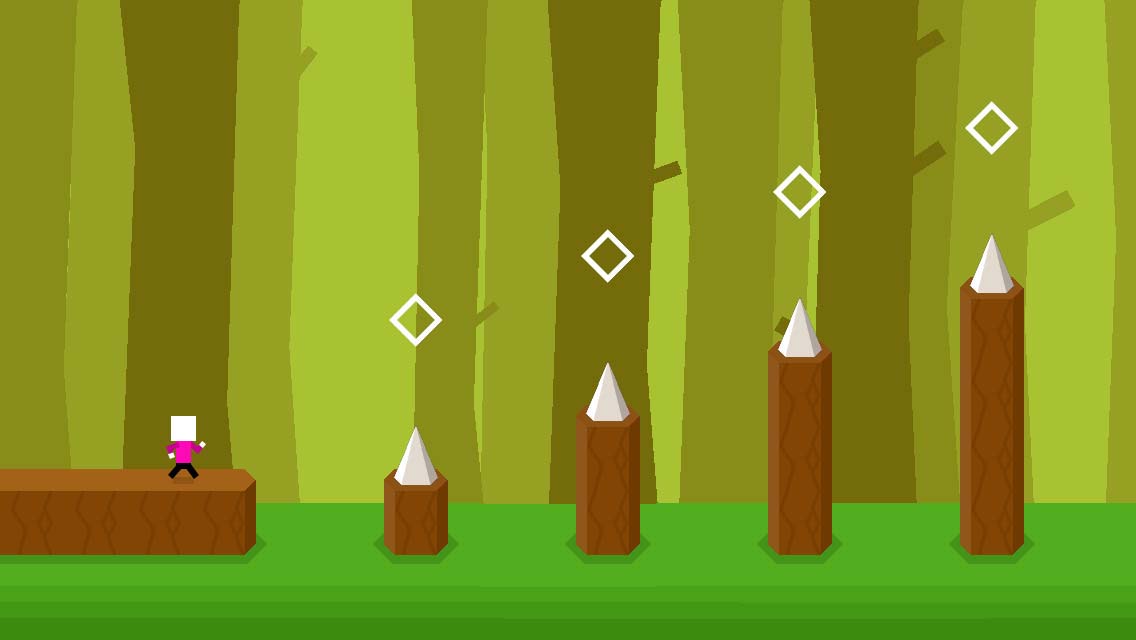
- A popular iOS platform jumper game called Mr. Jump your only control is tapping the screen to jump and avoid obstacles as you try to get to the end of the level. You cannot slow or speed up or move left or right. This constraint lends itself to a unique challenge on the platformer model.
- Only being allowed 2 extra draws in poker to try and get a better hand
- Restricting soccer players from using their arms or hands to maneuver the ball across the field and into their opponents net.
Direct and Indirect Interaction
"Direct actions are those in which the player has immediate interaction with objects and the playspace, while indirect actions are those that occur without direct contact by the player or the primary objects they use while playing.
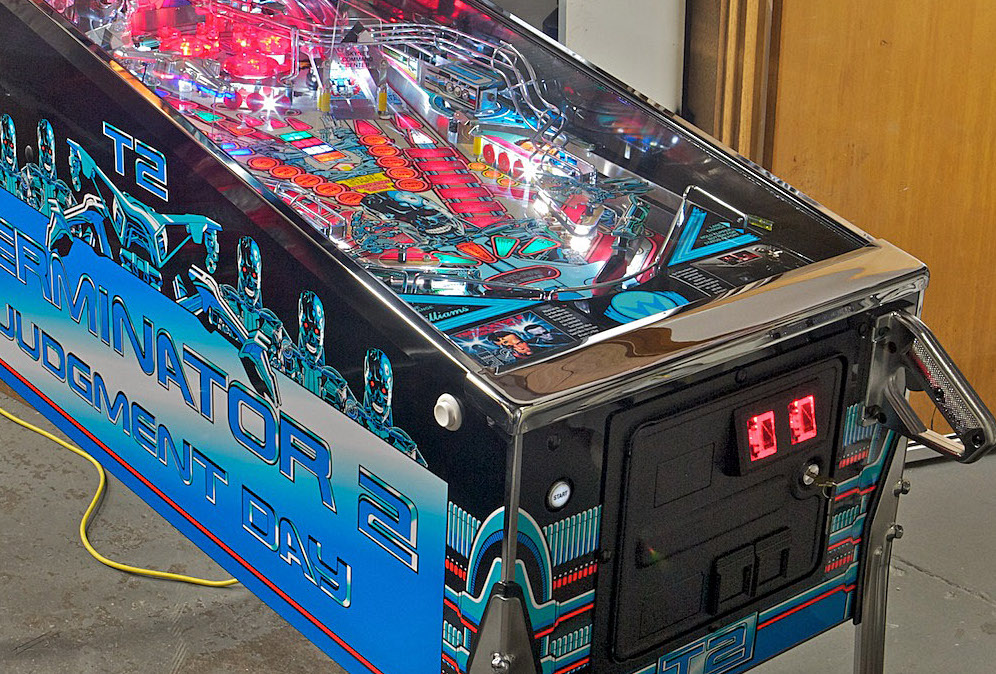
Pinball serves as a great example here (see Figure 2.4). Players directly interact with the ball through the use of flippers. At the same time, players indirectly interact with the bumpers, ramps, holes, and other features by hitting the ball with the flippers. If a player hits the ball at a bumper, it is going to bounce off in predictable but not completely knowable ways due to the mechanical push triggered by the ball’s impact. The player might directly act on the ball by hitting it at a precise time with the paddle, but ultimately this leads to a variety of indirect actions as the physics of the ball and other objects in the pinball game interact. So hitting the ball with a flipper might lead to the ball passing under a spinner at the entrance to a ramp, which will add to a score multiplier, which increases the value of the trip around the ramp. All of these related events and chain reactions emerge from a single hit of the ball with a flipper. This is one of the ways in which players can set into motion effects both anticipated and unexpected within a game."
Macklin, Colleen; Sharp, John. Games, Design and Play (Game Design) (pp. 19-20). Pearson Education. Kindle Edition.
Goals
As we discussed in Module 1 (Elements of Games), the goals of a game gives shape and purpose to the actions a player performs because they are trying to achieve something. Sometimes the goal is quantifiable and specific -- Highest score, first across the finish line, defeat the boss, destroy all of the blocks. Sometimes the goals are looser and more experiential -- Explore the island, uncover the story. Often times goals in games combine or fluidly move in and out of the tangible and abstract.
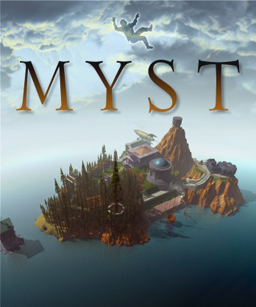
A fantastic example of a combination of quantifiable and experiential goals that combine into a single play experience is the popular 90's game Myst. You start the game by being given a vague monologue intro into being dropped into an age that is defined by a book. You aren't given a goal explicitly and you aren't given any challenges explicitly. As you click around in the 3D world you begin to discover new things about the world and the goal emerges to understand where you are, why you are there, and how do you get out, if you can. Throughout the game you continue to experience the world and develop new goals through the emergence of the gameplay yet there are times when specific puzzles present themselves to you that define points of access to new ages and further information that drives the overall narrative of the experience of the game. Frankly Myst is also a great example of constraint that leads to very interesting gameplay.
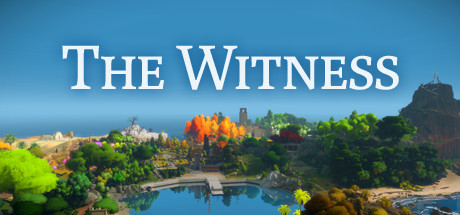
Another similar and more modern game that follows a very similar pattern is The Witness. Check it out if you like these kind of games.
Challenge
One of the most common tools used to control and craft a players experience as they try to reach their goal is through the presentation of challenges. Challenge here is more than just something being hard or easy though that can be a part of game challenge. It is also not specifically something like a puzzle that you inject as a challenge though again, it can be a part of it. When we talk about challenge as a design tool we are talking about the overall sense of flow or absorption in the game that keeps them in the narrow sweet spot of engagement between boredom (too easy or simplistic/repetitive) and anxiety (too difficult/risky). Challenge can increase in a game as skill increases. Challenge can also be used to force increase in skill to prepare for different emergences to take place. Adventure games use this method intently
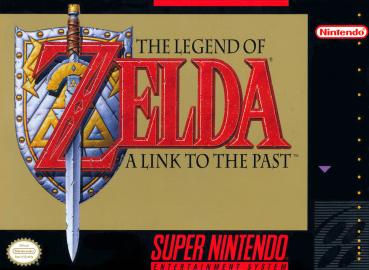
A favorite example of this for me is Legend of Zelda, a Link to the Past from the Super Nintendo platform. The whole Zelda franchise as a whole does this really well actually. Through the unfolding of story and the advancement of challenges at the right skill levels players gain more and more skill which drives bigger and more complex challenges and puzzles that ultimately drive player actions toward the goal of defeating the Ganon and saving Zelda and ridding the land of darkness. With the freedom to explore and the unfolding of story, the level based increases in the game feel natural and organic that keeps the player absorbed. Contrasting that with Mario Brothers leveling which is disjointed it illustrates those differences quite well. (Not that I'm knocking Mario or anything, its just different)
Skill, Strategy, Chance, Uncertainty
Emerging from challenge is a quartet of concepts that have a deep connection to one another: skill, strategy, chance, and uncertainty. Skill is the degree to which a player has mastered an action within a game while strategy is the ability of the player to determine the best ways to perform the actions of the game in order to achieve their goals. The more chance, the harder it is for a player to develop strategies, regardless of their skill. This is because no matter how much one practices, there is uncertainty that can lead to unpredictable events in a game. The less chance, the more room there is for them to develop strategies. In game design terms, how much of the play experience is driven by the quality of player actions and the decisions that the player makes relative to the things that happen outside the player’s control?
Macklin, Colleen; Sharp, John. Games, Design and Play (Game Design) (pp. 28). Pearson Education. Kindle Edition.
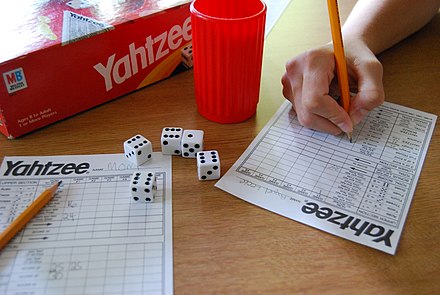
A game like yahtzee relies quite a bit on chance given the only game mechanic is dice rolling. However, because the player is given 3 rolls to achieve their desired combination of dice they are given a little bit of control, but ultimately chance rules out because there is a limit to the amount of skill that can be built and strategies that can be developed. Contrast this with a game like Dungeons and Dragons. This game also uses dice, but the combinations of play from the card mechanics in the game open up a massive world of strategic possibility yet the presence of chance and the choices of other players brings in a healthy level of uncertainty that keeps the game in balance.
Decision-Making and Feedback
The state of a game describes a snapshot of the current conditions present in the game at a given time. How a player understands and interprets a game's state reveals two more design tools which are decision-making and feedback that help progress a player through their play experience. Some aspects of decision-making and feedback lend to more thoughtful approaches. When a constraint is placed on the amount of time a player can take to make decisions more reactionary decisions are made that become based more on muscle memory and reactivity rather than thought and planning.
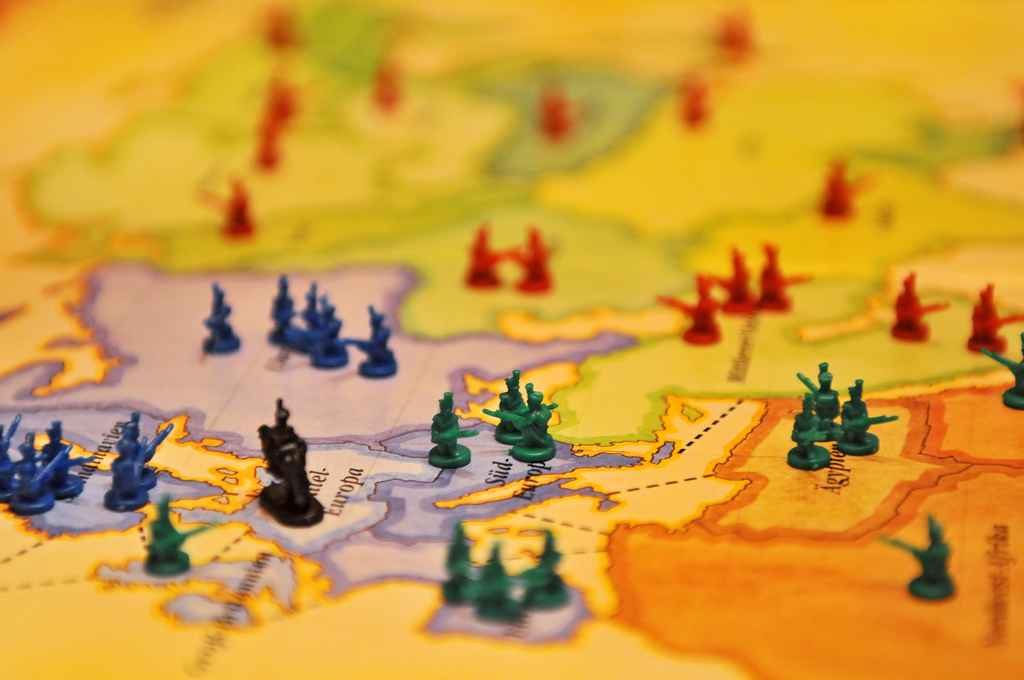
Turn-based games like Risk offer players a lot of time to make decisions because the game-play will wait for them to decide what to do before progressing. Players also have the ability to make decisions based on the game state and how it changes while other players are making their moves. Even though the game state changes and strategies may change, the decision making process and the feedback to adjust is linear in time and is forgiving for those that choose to take more time to decide.
Now imagine we place a constraint into the risk game-play mechanic and make it real-time. This wouldn't really work very well as a board game, but electronically it could work. (Might not be fun though LOL). Imagine the action and feedback occurred in real-time for every player at the same time. You could be attacking Western Europe from Norther Europe all the while being attacked by Ukraine. Giving it some thought I could see very different play strategies emerge to develop countries that force game-play to slow down and force players to have to be more methodical about their attacks. There are a million different ways this could play out. Crazy to think about.
Abstraction
Abstraction is the method of using something to represent another usually in a simpler way that removes details that would otherwise confuse or distract. For the purposes of this lesson there are 3 approaches to abstraction that can be helpful in game design.
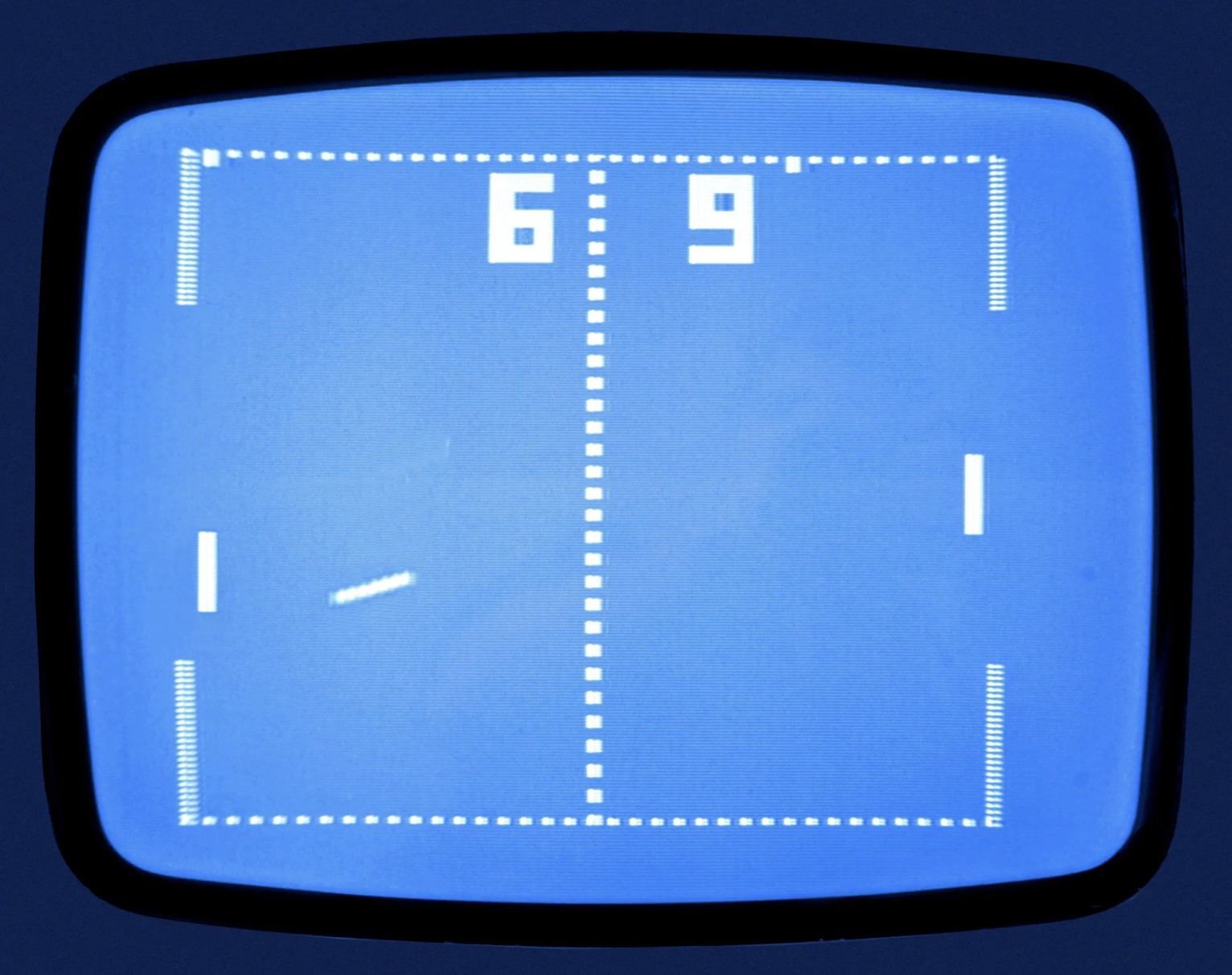
- Non-representational approach to the design of objects found in games like Go, Backgammon, or Checkers.
- Re-imagined form or function of real-world activities that better suit the game-play desired found in games like Pong (vs. Tennis), Dance Dance Revolution (vs. Real Dancing).
- Simplified simulation of real-world systems and processes like Risk (War), Pandemic (Epidemiology), or Settlers of Catan (Expansion).
Theme
Theme is a huge tool in game design. The presence of theme or the absence of theme has the ability to directly AND indirectly drive player experience. Some games use explicit theme to shape the player experience like Call of Duty, Halo, or Among Us. The theme doesn't dictate anything explicit about game-play or the other design tools used to drive the experience, but it shapes it and molds it.
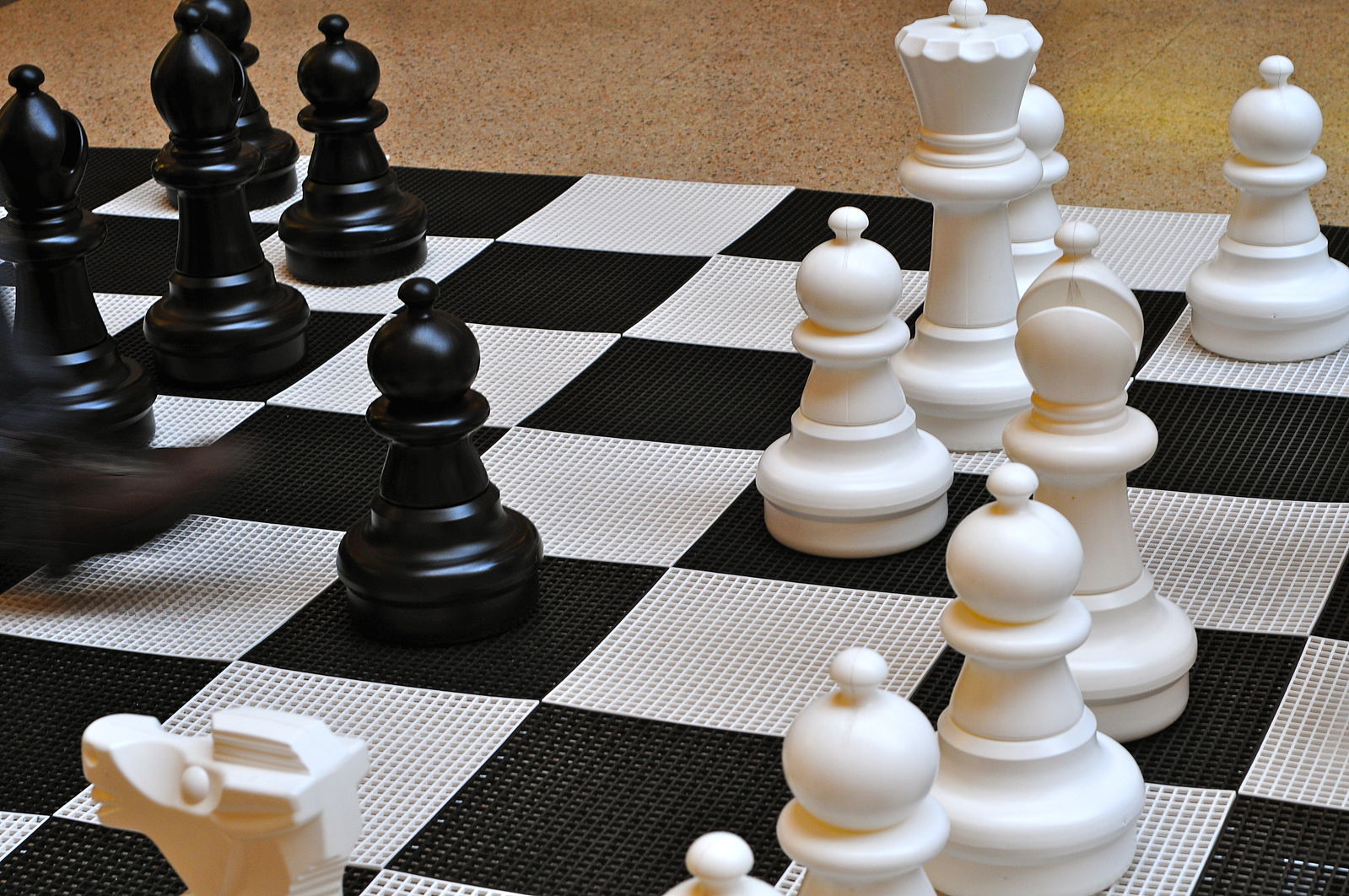
Some games use a combination of this tool and the previous one (Abstraction) to create a generalized theme that leaves the rest open to interpretation of the players. Chess is a good example of this. The explicit use of medieval roles and language places one within the theme of conquest and territorial battleground. Even the use of black and white pieces and the tie in to good vs. evil. However, it doesn't explicity call out anything specific about the genre, region, or nature of the pieces or the units to which they are a part. While there is some theme, the overall abstract strategy in chess impacts the way we think about the game and its play.
Theme is essentially a conceptual handle for players to be able to grasp how the world might work. And as they play, theme provides a way to interpret the decisions and their outcomes on the game’s space of possibility.
Macklin, Colleen; Sharp, John. Games, Design and Play (Game Design) (p. 38). Pearson Education. Kindle Edition.
Storytelling
Story in games is huge. That doesn't mean that every game must have a fully developed story to be a game. It is the presence of story, much like theme, that drastically affects game-play and player experience. The same can be said for the absence of story or the spectrum of the presence and absence of story.
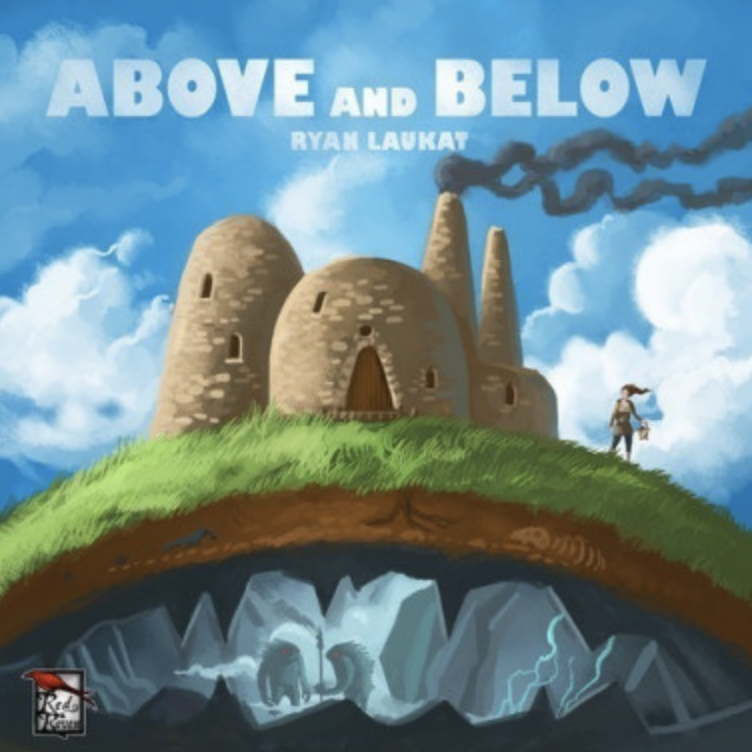
Most of the game examples used in this module have varying levels and inclusions of story. Some games like Myst and The Witness are all about the exploration of story with puzzle mechanics built in. Some games like Risk, Chess, Catan, and Pong provide a simplistic level of story and theme that can be massaged into the interpretation of the players based on their own interests. Some games utilize story as a means to deliver feedback for decisions and actions. The board game "Above and Below" does this quite effectively. Players are given the option to explore below ground as a type of action that can be taken on their turn. A dice roll reveals a story snippet that is read that outlines the challenge and problem present that must be overcome in order to gain the prize or lose. These same mechanics could be played out without any of the story elements, but the presence of storytelling immerses the players further into the world of the game and creates a completely different experience.
Context
The last basic tool of game design is the context within which a game is played. Taking into account where the game is played and by whom has a real impact on the experience. Will players be playing on their phone or tablet? In a public space? Alone or with friends and family? Of course, game designers can’t always predict this, but taking it into account can make a big difference for the player. Imagine trying to play a mobile phone game that has hour-long play sessions, and you will soon see why most mobile games have shorter sessions developed around the concept of playing during a commute, in between meetings, or at a coffee shop waiting for a friend to arrive.
Macklin, Colleen; Sharp, John. Games, Design and Play (Game Design) (p. 43). Pearson Education. Kindle Edition.
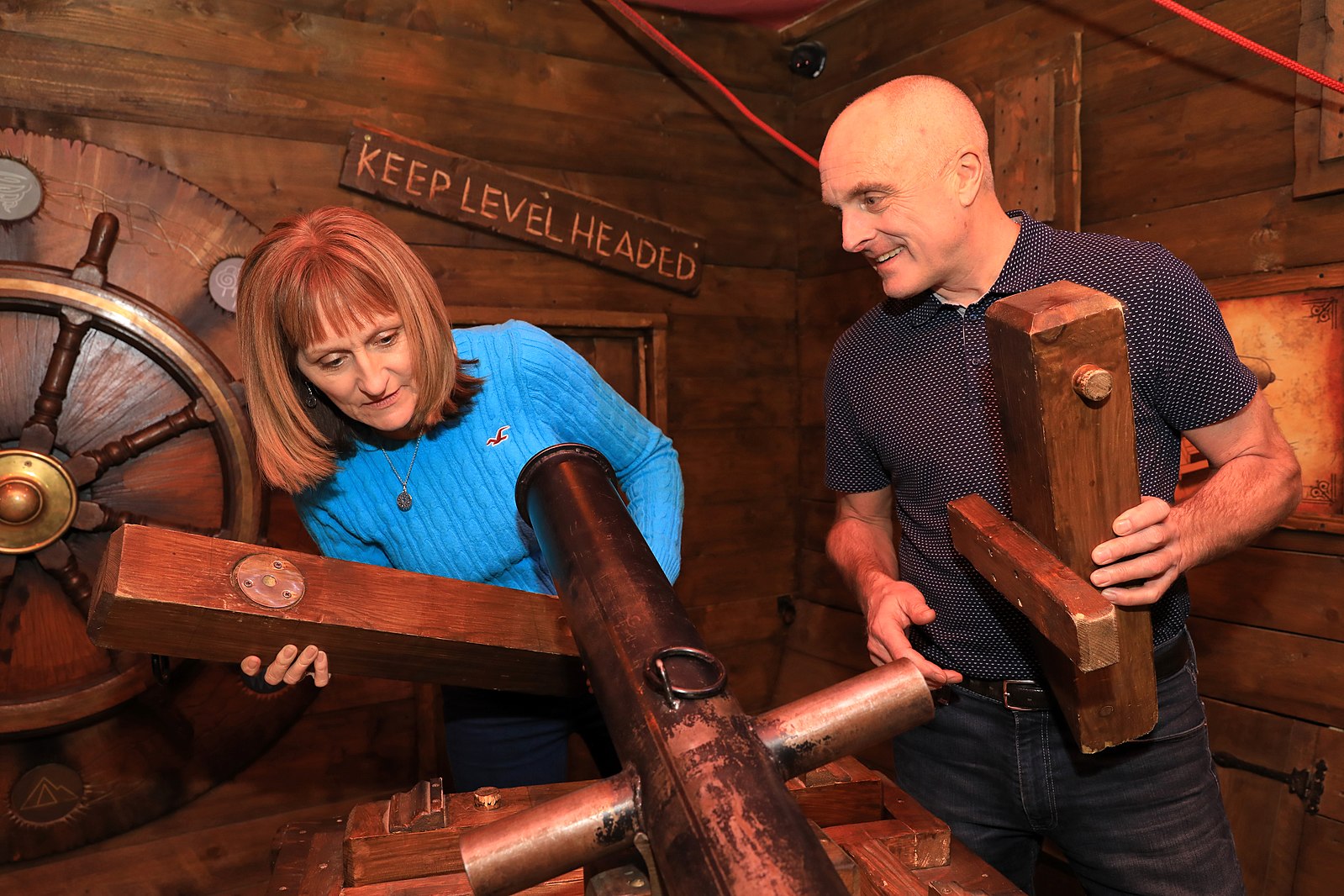
Context can mean everything when it comes to game design. The form factor of the platform to which the game will be released or where it will be played is important. Developing a long running and intricate story telling game where minute details matter might not be as widely adopted when released on a mobile phone platform as it would on a console or computer platform. Vice versa a quick action rapid decision-making with instant feedback casual game like candy crush is much better suited for a mobile platform to kill time waiting for a train, or your takeout to be ready than on a console platform. Furthermore realizing how the context of the game can be controlled and a part of storytelling and theme is interesting as well. Escape Rooms are an interesting take on context. Context can change for an escape room play depending on who you are with, how many people are there, what the skill level of the players are and more. Furthermore escape rooms are basically a collection of individual puzzles interconnected to synthesize into a specific theme and story. When a puzzle is included that relies upon a persons previous experience knowing how to solve that kind of puzzle it could break the entire context of the game. Imagine one of the puzzles being a rubix cube. For those that know how to solve a rubix cube, it will be easy. For those that don't already know how to. It will kill the experience.
Summary
- Constraint:The limitations we put on players through the design of the actions, objects, and playspace of a game.
- Direct and indirect actions: Direct actions are the kinds of actions that allow players to have immediate interaction with objects and the playspace. Indirect actions are those that occur without direct contact by the player or the primary objects they use to perform actions.
- Goals: A game’s goals give shape and purpose to play experiences by giving players objectives.
- Challenge: The ways in which a game resists players. Sometimes challenge comes from the difficulty of achieving a game’s goals, and sometimes it comes from the concepts embodied in the game.
- Skill, strategy, chance, and uncertainty: Skill is the mastery of a game’s actions, whereas strategy is a player’s ability to determine a path to achieving the game’s (or their own) goals. Chance is the use of randomization in a game, whereas uncertainty is the unpredictable nature of what will happen as a game is played.
- Decision-making and feedback: Based on the game state and players’ pursuit of the game’s or their own goals, players make decisions about what their next action should be. To understand the game state, the player interprets the feedback the game provides on their last actions and the changes brought about in the game state by that action.
- Abstraction: The modeling of complex phenomenon into game form.
- Theme: The logical framework for how a game is represented.
- Storytelling: A series of tools for shaping player experience that borrow from traditional narrative structures.
- Context of Play: The consideration of when, where, with whom, and other aspects of when players play a game.
Assignment
- Written (Word Document with written descriptions)
- Video (A short video recording of you talking about or presenting the results of your exploration)
- Audio (A short audio recording of you talking about the results of your exploration)
This week's assignment has 2 parts. Please complete both of these exercises and include them in your response for this assignment.
- Think about your favorite game and what would make it easy to achieve the game’s goals, and then think about how the game designer used constraint to make the goal fun to pursue.
- Take a purely strategic game like chess and add an element of chance to it. How does this change the play experience?
1 Chose the games and approaches that will make up your responses to the 2 questions above.
2 Utilize whatever tools and processes you would like to explore these ideas and how you might communicate those ideas. Notes, sketches, diagrams, etc.
3 Choose one of the three mediums that you will be submitting this assignment in (written, video, audio)
4 Create your response based on your chosen medium. Whatever you choose make sure you utilize good communication skills to present your thoughts. Utilize visuals where appropriate and helpful (especially for audio submission.... LOL, JK).
5
If you choose written please format and name your document like our other assignments. Lastname-Firstname_Assignment3.docx.
If you choose video please ensure you upload your video in compressed mp4 or h264 format. Most phones record with this format and if you know how to use fancier cameras please research how to ensure you upload a compressed video in one of these 2 formats.
If you choose audio please use .mp3 of .wav format for your submission.
6 Click on Assignment 3 in the UNM Canvas Assignments listing.
7 Scroll down to Assignment Files and Browse Local file to select the file you created and attach it to your submission for this assignment.
As always, please make sure you also complete the other requirements in your todo list like your quiz. Don't forget those.
-
Instruction
Attend Class Lecture and Review Written Material -
Reading
Games, Design and Play: Chapter 2