Module 4 - Kinds of Play
Module Overview
Let's harken back to our descriptions of game elements and game-based tools. The presence of goals can change a toy into a game. The only thing that makes a ball a soccer ball (other than the appearance of the ball that has been developed over the history of the sport) is the addition of goals and constraints. Otherwise, the ball is just a toy. The elements of a game help to define how the game is played out, but it doesn't inherently describe the type of play that will ensue. The design tools used within the game-play also help to define the kind of play as well. Really, this 'could' be seen as a chicken or egg question. Which comes first? The chicken or the egg? Does the kind of play define the goals, rules, elements, design tools? Or do the goals, rules, elements, and design tools define the kind of play. The answer is it can go either way. It all depends on your design process and your approach to system thinking.
Remember the 'big picture' and 'small picture' glasses description in Systems thinking? If not, Read this.
Some designers may start with a kind of play experience they want to create and possibly decide on a theme and then build out the game elements from there. These people may have had a great experience playing a specific game and may want to create another game like it. Some designers may really enjoy a specific kind of gameplay like competitive or simulation and may start there with their design and work out from there.
In contrast, some designers might approach a game design thinking about the kind of experience they want their users to have. For instructional type games or story based games this may be a very appropriate start. Let's say I want to create a game experience that will attempt to lead players through experiences that help them understand the values of different cultures better. There are different kinds and combinations of play that could successfully lead to this outcome. Conversely you may just want to create a new way for people to compete with one another, but on an intellectual level rather than on a physical one. You might design some kind of esports like game thats all about solving logic puzzles or riddles.
For video games genre is often used to categorize play and while related to kinds of play it is more of a common collection of related game elements rather than kinds of play. First person shooter, platformer, survival, wave, etc. As we explore the types of play my hope is you will see that first person shooter, while a genre, can be competitive, cooperative with lots of chance and uncertainty. Game generes are not kinds of play, they are a shared collection of game elements (actions, players, objects, rules, goals, playspaces) that other games have in common. Doom is not the exact same kind of game as Halo even though both have a lot of similar elements. The same way Dr. Mario is not the same as Candy Crush even though there are more similar elements between these games than with others.
This week is all about exploring kinds of play that we can discover as we design games, or start with as we begin designing games.
Let's get to it!
Competitive
In competitive play some players will win and some will lose. If a players goal is to win and not lose then this player is going to employ skill building and strategies to come out on top. In baseball it is to score more points in 9 innings than the opponent. In Mortal Kombat it is to hit the opponent and reduce their health completely before yours is. In fortnight it is to be the survivor of a huge melee of battle with 99 opponents in an arena. Sonic the hedgehog 2 introduced a 2-player competitive mode that involves the same level and gameplay mechanics as the original but with split screen and is more defined as a race to the finish line including top scores and rings collected as well.
Competitive play is easy enough to understand in games. Even the youngest of kids know how to be competitive.
"Last one in the house is a rotten egg!"
How players approach competitive play, or even whether they do at all, can vary widely from person to person. Knowing this as a game designer can help you focus or broaden your audience depending on your goals.
Competition can be synchronous or asynchronous, or turn-based. Synchronous would involve real-time player actions occurring simultaneous to competitors. Basketball, Table Tennis, Smash Bros, Crusin USA, Street Fighter, and War are all examples of synchronous competition. Turn-based is similar to synchronous, but allows for each player to execute their own chosen actions before the next player then does the same. Original Super Mario Bros, Risk, and Yazzi are all examples of turn-based competition. Asynchronous competition involves play that is isolated to a single uninterrupted session of play by a single person where an outcome is recorded and can be compared to other player results from their game sessions. This is the competitive concept behind high score boards. Old school arcade games utilized this concept heavily with games like Pac Man, Pinball, etc. The modern concept of speed runs in video games is the same concept and is a rework of the original game design. Who can beat the game in the fastest amount of time?
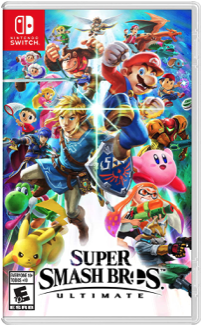
Some people are fiercely competitive and are energized by the presence of competition itself. Some are completely turned off by competition in all or some areas. One of my sons is massively competitive on anything that involves a physical challenge. He dominates largely in that arena because he is most comfortable or capable with it. The video games he plays mirror those interests, not exclusively, but largely so. He gravitates toward playing sports, racing, or fighting games. My wife and I can be very competitive, but the kinds of games we prefer to play are strategic and intellectually focused. My wife absolutely brilliant in these kinds of games. She is very competitive and wins almost all of the time. However, she really dislikes games where there is encouraged or deliberate vindictive play like the game of Sorry, or even Uno to some extent. Additionally she really doesn't like physical sports or sports games for different reasons than others. One of my other sons is largely a non-competitive person in most areas of life, but he becomes fiercely competitive when playing competitive video games he likes. This kid is a different person when he is playing Smash Bros or Mario Kart... Seriously. Maybe you are the same way? Furthermore there are people out there who really aren't competitive at all, but still find themselves playing a competitive game. My mother-in-law is that way with family board games and primarily Risk. Her motivation in playing the game is just to be with the family and the quality time. The ways she plays the game changes the gameplay because her motivations are very different than others who take the competition more seriously. Yet she is an equal player in the game and the game experience.
The point here is game experiences are developed inside your players. Don't assume that all people play competitive games with the same skill, interests, motivations or furvor. At the very least they all wont approach your games the same way you do.
Cooperative
Cooperative play is when 2 or more players work together to achieve the same goals. This can be combined with competitive play in the form of team-based sports. Soccer has 22 players on the field at any given time (well.. sort of, Red cards anyone?) and throughout the synchronous gameplay 11 players on each team are playing cooperatively and competitively at the same time. The 11 players on one team play different roles within the play, but are all trying to achieve the same goal for their whole team. Video games can also operate this way with games like Rocket League, Mario Kart, or even strategic alliances within MMORPG games like World of Warcraft. However, some games are inherently designed to be solely cooperative where 2 or more players are working together to achieve the goal and the opponent may be time or some other game mechanic that creates constraint or challenge.
While competitive play is by far the most prevalent kind of play found in games whether it is sports, board games, card games, or video games and even single-player video games it is not the only play or even the most enjoyable play. Cooperative play can often lead to more rewarding outcomes of success because of the relational dynamics players have or create in the play experience.
High Five!!!
There are 3 main types of cooperative play we can explore. symmetrical, asymmetrical, and symbiotic.
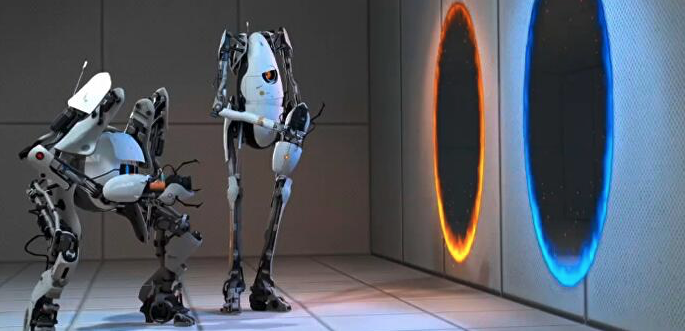 | Symmetrical cooperative play refers to games in which the cooperating players get to use the same actions and have the same basic attributes within the play. Portal 2 is a great example of this with the two-player cooperative campaign mode. Each player has a persona, but the play mechanics are identical between players and each works to solve puzzles and beat the game together in real-time. |
| Asymmetrical cooperative play refers to games in which the cooperating players take on different roles and abilities to work toward the same goals. A board game called Forbidden Island utilizes player personas to provide special abilities to players that are needed at different times throughout the game to achieve the shared goal of escaping the island with all 4 elements before the island floods. Soccer is also asymmetrical with all players having the same actions, but different players taking on different roles on the field. Nothing says a keeper can't score goals, but it is rare, because the keeper takes on the main role of being the last remaining defense of their teams goal. Furthermore the keeper is the only player on the field who can use their hands and arms in open play. | 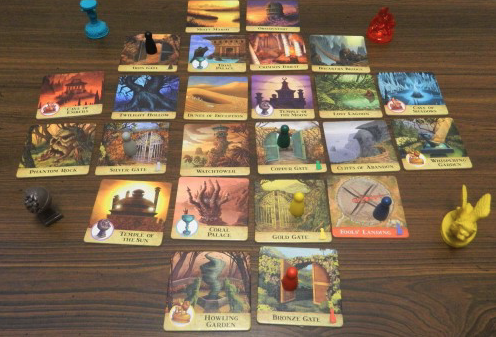 |
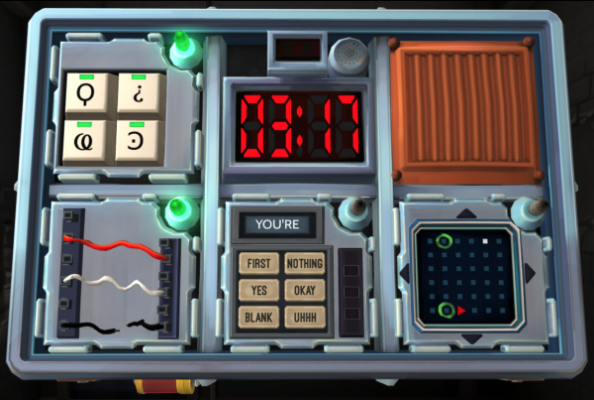 | Symbiotic cooperative play refers to games in which cooperating players are reliant on other players to succeed. Without the assistance of the other player(s), it is close to impossible, or impossible to achieve the goals of the game. A great example of this is the game "Keep Talking and Nobody Explodes." This is a cooperative VR game where one person dons the VR headset and is responsible for disarming a bomb in a room that consists of a collection of different individual puzzles that all must be solved to "Not Explode." The challenge is the tools to solve the puzzles are only available to players who are not in VR (printed sheets of codes and cyphers to decode puzzles). However, people who are not in VR cannot see the bomb or the configuration of the puzzles so they are reliant on the person in VR to explain the bomb. Both sets of players are completely reliant on the other to solve the puzzles and such creates a symbiotic relationship between cooperative players. |
Skill-based
All games require some level of skill to play. Depending on the elements and mechanics of the game, the systems included, the design tools employed, and the overall kind of play involved can make skill more or less important in the kind of play. Furthermore there are different kinds of skills that can be involved. Active Skill, Mental Skill, and the combination of the two.
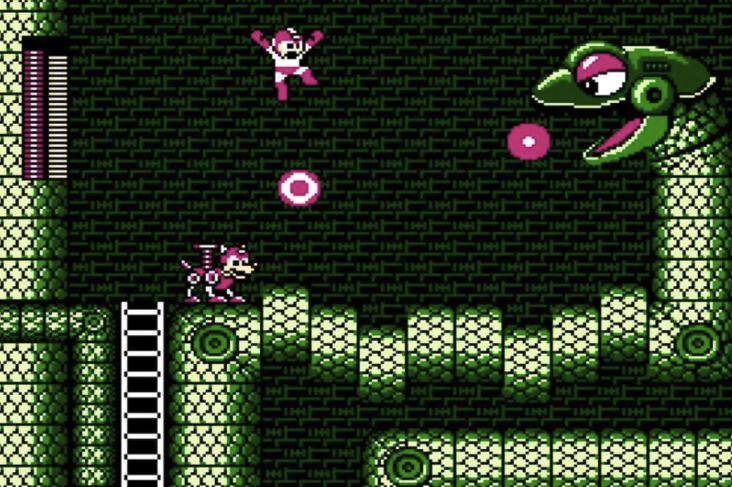
Active skill play involves the increase in perfection in actions performed within the game that include timing, accuracy, memorization, etc. Sports offer clear lines of active skill building whether that is speed, agility, strength, etc. In traditional video games active skills can be hugely important. Platformer games like Mario Brothers, Sonic, Metroid, or Mega Man require a lot of replay to increase skill in timing, agility and movement strategy to win. Carnival games are almost entirely action-based and are designed to maximize the balance of your expectation that you "should" be able to win, with constraints that make it less likely that you will "actually" be able to win. Maximizing their profits of course :). Some games take this kind of play (active skill) to the extreme and build mechanics and challenges that require such immense active skill that they can feel nearly impossible to progress. These games are described in the theoretical video game sub-genre called "masicore" (a combination of the terms masochism and hardcore). These games are specifically designed to frustrate players with seemingly impossible goals to achieve.
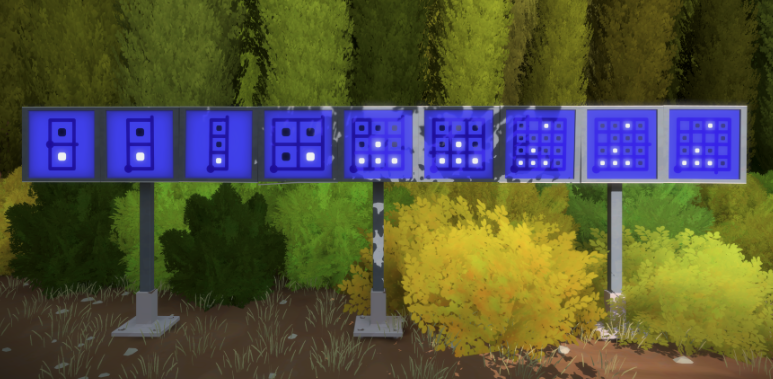
Mental Skill play involves the increase in requirement for players to exert increasing mental skill to solve puzzles and progress. A great example of this is another game we have discussed before. "The Witness." In this game the player is presented many series of line connecting puzzles that build upon one another as you explore the island. As you play through the game the puzzles get harder and harder to decipher and solve even though their overall mechanics are similar or identical to the others. The skills developed throughout the game are not active, they are mental.
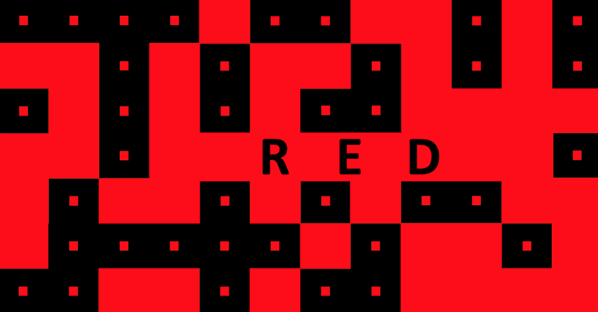
Lot's games employ some Combination of active and mental skill building. There is a tremendous amount of mental requirements on soccer players in addition to the obvious physical requirements. A great example of this is the series of color based mobile games on the app stores. Listed simply as Red, Blue, Yellow, Black, etc. These games use simple premise of filling the screen with the chosen color but consist of many different kinds of puzzles that require both mental and active skills to complete from puzzle to puzzle. These games often employ very similar puzzles to confuse users thinking that previous skills gained will help them where a new skill is required to solve it. These can be quite challenging, but their simplicity is interesting because once you solve it, they are super simple and easy to solve. It is the pursuit of the solution and the mental and active skills required that makes the games fun rather than mundane. The results of winning are not that grand. It's the process that makes it worth it. Much like logic puzzles or riddles.
Experience-based
Experience-based play is, you guessed it, all about the experience the player has throughout the gameplay. Often these games are very story-based and are more about experiencing the game and the story(s) within rather than any amount of competition, cooperation or skills. Much like reading a book or listening to a story, or watching a movie isn't about achieving some goal, but more about experiencing it while reading, listening, or watching. Even with traditional media like books a gamified element can be added to provide some level of actional ability in the hands of the reader with books that are "choose your own adventure" style.
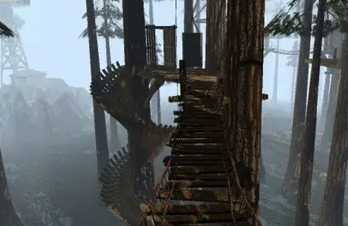
Experience-based gameplay in video games can be the sole purpose of the game, but it can also include other kinds of play within it to change or increase the quality or type of play as well. Games like Myst are heavily experience based, but still provide some mental skill building to experience it. Learning the mechanics of the game (in Myst's sake is point and click hot spots on the screen) Other games like Dear Esther are much more experience-based aside from some basic navigational elements of play mechanics for 3D first-person navigation. Other games like monument valley are primarily visual-based puzzles that have some combination of action and mental skill, but also employ experienced-based play as the glue that binds levels together. You leave the game with many different outcomes including the experience itself.
Experience-based play is also really well suited for games where your goal as the designer is to leave your player seeing the world differently. Instructional gamified learning is similar where the goal is to change the player in some way. Teach them something they need to learn that isn't related to the game itself at all, or leave them seeing the world differently than when they started. This might be to teach equity or unconscious bias awareness, how to handle stressful situations in relationships or even how to manage self-care better. It could be anything. The point is the experience is what drives the gameplay.
Chance and Uncertainty
Ah...Chance. That lovely element of life that makes us crazy with us having to react to the unexpected, random or unpredictable elements of our experience as humans. We work our butts off trying to do everything we can to mitigate the consequences of chance or to hedge against the outcomes we cannot predict, and yet... it is chance that actually makes our life experience what it is. So we put it into games to help make them... wait for it... more fun. WHAT?!?!?!
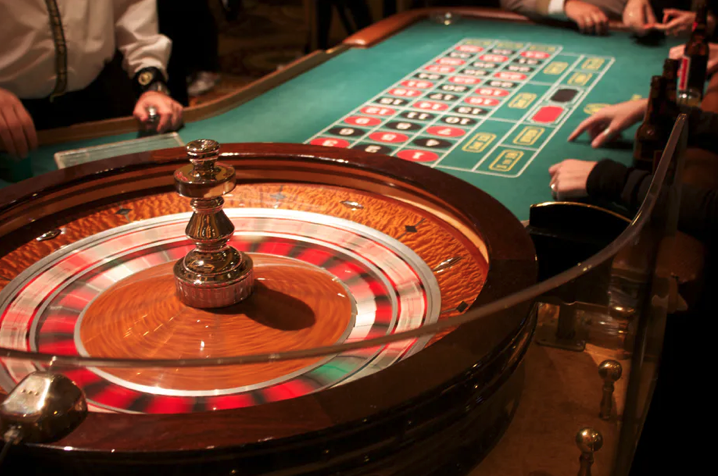
That's right. The inclusion of chance and uncertainty in games is a game design tool that can actually make a game go from being boring and predictable to being enticing and fun. However, if chance is given too much power within a game and users have little to no ability to employ skills or strategy to improve their chances of winning then gameplay could deplete to nothing. Casino games do this better than most. Think of roulette. You have zero control over the ball, or the spinning wheel. Where the ball ends up is entirely dependent on chance. The stakes that are on the line are dependent on your ability to bet accurately on whether you will be lucky or not. Different bets come with increased odds for success. Betting that the ball will end on red or black is a 50% chance of success so the payout is less for a win than than of betting that the ball would end up in 1-12, 13-24, or 25-34. Players are even able to bet that the result would both be even and odd. With this bet players are guaranteed a win and a loss at the same time. Nullifying their bet in the process. Given this game is built entirely based on chance why do people play it? The answer is the addictive nature of winning and the illusion of control provided by the betting mechanics. Casino parlor games all have these same kinds of play in mind in their design and execution.
Not all inclusions of chance are as nefarious or ubiquitous as in casino parlor games. The presence of chance in a game like Risk is what makes the game interesting. In life you cannot predict and win every fight you get into. In the game you cannot do that either. The way that mechanic is controlled is through dice rolls that offer a slight advantage to the attacker in the form of 1 more dice roll than a defender, but also the slight advantage given to the defender in the form of ties falling in favor of defense. Without chance in this case then the only logical mechanic remaining would be more armies present wins the battle and if you think about it, would make a potentially boring and predicable game.
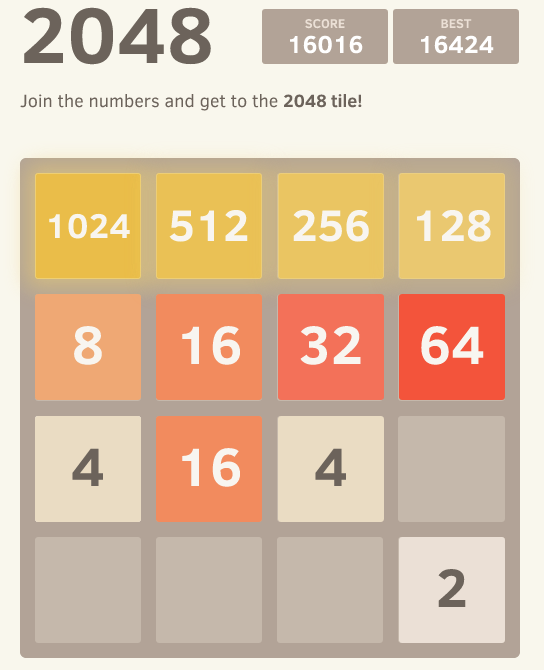
Lots of video games employ randomness or chance to games to increase the uncertainty in gameplay which leads to skill building. Billions of dollars have been invested over the years to develop different kinds of artificial intelligence (AI) into games to make gameplay less predicable and thusly more challenging and more fun. And even then, some games rely still on just pure chance as a part of a core game mechanic. One game that comes to mind is 2024 which is a mobile tile sliding game. Players are presented with tiles in a 4x4 grid. Players are given the ability to slide up, left, right, or down and doing so will result in like numbers that slide into one another to combine. a 2 tile sliding into another 2 tile will produce a new single tile of 4. A 16 tile sliding into another 16 will result in a 32. Tiles of different values cannot combine. The goal if the game is to produce the highest combined tile you can. Where chance comes in is the new tiles that are generated on each slide to fill in some or all of the remaining gaps in the grid are randomly chosen to be either a 2 or a 4 and their placement is also randomly chosen. Players can employ different strategies in sliding to increase their likelihood of success, but the presence of chance makes the game impossible to master fully. This makes the game more fun and highly replayable. If you are a math geek, or are just curious Read this Stack Overflow thread for some very interesting exploration on optimal algorithms for playing the game. :)
Whimsical
Whimsical play is similar to experience-based play in it is all about the experience the players have while playing, but in a form that is more about the fun, silliness, or humorous nature of the experience. Whimsical play emphasizes silly actions, unexpected results, and creating a sense of euphoria and a play experience that you need to 'feel' to understand.
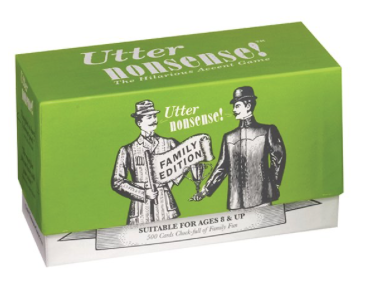
One example of this is the party game Utter Nonsense. Players are given a phrase to say in a specific accent and take turns doing so. The point of the game is to provide the most silly or unique performance that is rated by the player who drew the cards. While there is some level of competition involved, the main premise, by far, is the whimsical way in which the game plays out. The humor and the laughter is the point of the game and depending on who you play with it can be quite hilarious.
A video game that embodies whimsical play is "Goat Simulator." While this game clearly has other game mechanics built in, by far the main point of the game is to have your goat perform the most interesting and hilarious stunts and actions as you can. The point of the game by far is about the whimsical experience you have while making your goat crash, splash, fly, and die in crazy and silly ways.
Role-playing
For many people, games are a form of storytelling. Perhaps better stated, they are a form of story experience; as the player engages with the game, and through their actions, the story unfolds. There are multiple traditions of storytelling that wind through games, from the character-driven experience of tabletop role-playing games to the more cinematic storytelling associated with many AAA titles. Macklin, Colleen; Sharp, John. Games, Design and Play (Game Design) (p. 65). Pearson Education. Kindle Edition.
Role-playing-games (RPG) are a hugely popular kind of game out there across table-top games and video games. There are some pretty well known and common games used to discuss this kind of play like:
- Dungeons and Dragons
- Final Fantasy
- World of Warcraft
It is important to mention the presence of an evolution of RPG with massive multiplayer online RPG games (MMORPGs). These games provide a massive online world where players perform RPG gameplay mechanics and quests in a virtual world where all of the non-player characters and environmental effects and even enemies are driven by computer-based simulations and AI. Whereas the original warcraft game was a typcial single or multi-player RPG, World of Warcraft is an expansion of the concepts of Warcraft and is an MMORPG that has created many interesting subsets of secondary gameplay effects that have been sources of sociological studies and more.
Performative
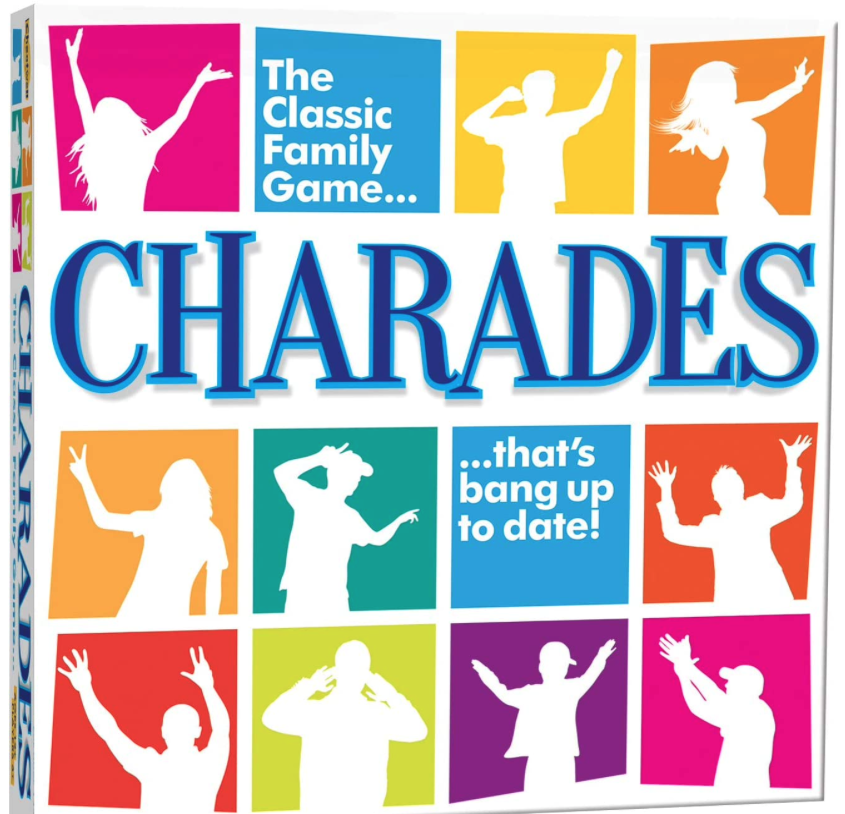
Performative play uses performance as the core of the play experience. There are many different uses of performance play in games, but probably the most widely known is charades. With the constraint of players not able to speak or spell out words they must perform actions with their body in order to allow their fellow team members to accurately guess the word or phrase they are attempting to act out. While competitive elements of varying degrees can be present throughout gameplay, the primary experience of the game is the players performance. Strong arguments can be made that charades is also whimsical and it definitely can be depending on who is playing and what the topics are being guessed.
Arguments 'could' be made about games like beat saber, guitar hero, and other types of music or rhythm games are performance games. The primary gameplay mechanics present in those games are performance-related, but depending on how the game is being played it might be more considered competitive, cooperative, and/or definitely skill-based. Again, combinations of kinds of play are used all over the place.
Expressive
There isn't a whole lot to say about this kind of play, but it is an area ripe with opportunity for game designers to explore and is emerging more as game designers explore new and different ways to define game play. Expressive play is related to experience-based play, but deviates in the form that it takes to allow for, encourage, or require the main mechanics of the game to be about how a player is feeling or chooses to express them self rather than what story the game is trying to provide FOR the player.
I don't have any great examples to provide, but I encourage you to think about ways to employ expression into your games in the future.
Simulation-based
Finally, we have simulation-based play. Simulation play is best defined by players taking actions within a given simulation framework to create systems upon systems upon systems of interconnected and related automations to achieve a given or arbitrary set of goals within the gaming theme or framework.

Probably the most widely known simulation-based game is the Sims franchise that started with Sim City. In Sim City players are given either a partially built city or a blank landscape and are given an initial budget to build out a virtual city eco-system complete with buildings, landscaping, roads, waterworks, power, and more. Virtual inhabitants generate income for you the builder to continue upgrading the city based on population opinions, desires, demands and more. Players must also react to environmental disasters like tornados and drought.
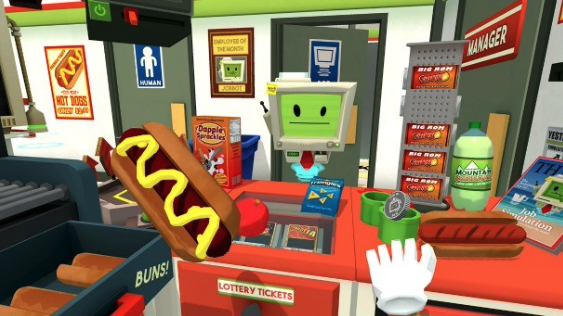
An interesting emergence of simulation-based games can be found in games that simulate different work environments such as plant tycoon or job simulator. Job simulator in particular is a combination of whimsical play, simulation, skills, and experience. As you simulate waiting on robot patrons you must perform typical job-like actions such as cooking food, cashiering, cleaning, customer-service, and more in order to progress through the gameplay. It is hard to believe that people would elect to "play" these tasks when real people in real-life jobs do the same thing for money, but the presence of comedy, whimsical options, and fantastical environments and combinations makes it fun and addictive to play.
Summary
- Competitive:A kind of play in which some players will win and some will lose. The kinds of competitive play are player versus player, player versus game, asynchronous competition, symmetrical competition, and asymmetrical competition.
- Cooperative:Play experience in which players work together to achieve the game’s goals. Cooperative play might include symmetrical cooperation, asymmetrical cooperation, and symbiotic cooperation.
- Skill-based: Play that emphasizes player skill development in the pursuit of the game’s goal. Kinds of skill-based play include active skill and mental skill.
- Experience-based: A kind of play focused on providing players with an experience of the game through exploration, unfolding a story, or communal engagement.
- Chance and Uncertainty: Games that ask players to develop strategies to allow for unpredictable moments or aspects of the game. Purely chance-based games remove decision-making from the player experience.
- Whimsical: A kind of play that emphasizes silly actions, unexpected results, and a sense of euphoria by generating dizziness and a play experience that you need to feel to understand. Whimsical play is often based on silly interactions, constraint as whimsy, and conceptual absurdity.
- Role-playing: A game that generates stories through players inhabiting different roles and following a loose set of rules through which all sorts of possibilities can emerge, limited only by players’ imaginations. Types of role-playing story generation include emergent storytelling and progressive storytelling.
- Performative: A theatrical form of play that generates dramatic action and acting and often includes a good deal of player improvisation. Performative play can generate unintentional performance and conscious performance.
- Expressive: A form of play that often subverts player choice in an effort to clearly express and share something about human experience. Expressive play might involve authorial expression or player expression.
- Simulation-based: A form of play that models a real-world system and presents a point of view (sometimes political, sometimes in terms of a player’s perspective on the world) about that system to the player. Players might engage with a top-down simulation or a bottom-up simulation.
Assignment
For this weeks assignment we are going to start doing some designing of our own. At least some more creative exploration of design to take some known components and creating different kinds of play from those same components. Here are the details:
Allowable Game Components- 2 Cups (Can be any material)
- Any quantity of a single type of candy (ex: skittles, life savers, tic tacs)
- 6 plastic drinking straws (the kind you get at drive thru places)
- 2 pencils (Can be used in design/construction and/or as game elements)
- 2 pens (Can be used in design/construction and/or as game elements)
- Paper (Any kind like copy, notebook, construction, butcher, etc.)
- Scotch Tape (Can ONLY be used in construction, but not required)
- White Glue (Can ONLY be used in construction, but not required)
- Scissors(Can ONLY be used in construction, but not required)
1 Using the components listed above you are going to create 3 different kinds of games from our selection above. (Competitive, Cooperative, Role-playing, etc.). You may not create 2 games of the same kind, but games can share kinds as long as there are others included. (ex: 1) Competitive, 2) Cooperative/Competitive, 3) Experience-based)
2 Rules:
- You MAY NOT create different games of the same kind, but games CAN share kinds as long as there are other kinds included. ex: game 1) Competitive, Game 2) Cooperative/Competitive, Game 3) Experience-based.
- You DO NOT have to use all of the components in every game, but you MUST use all of the components at some point in the games. (ex: You use the cups and candy and pencils in one game, the paper, candy and pens in another, and you use all of the components in the last game).
- You MAY NOT use any other components in your game with the exception of playspace elements like a table, a wall, a grass field, stairs, etc.)
- You MAY NOT use any other construction materials or tools to create your game than the ones listed above.
- You MAY do whatever you want to the components to create your game elements, tape, fold, roll, bend, cut, glue, stack, connect, etc.
3 You can make these games as simple or as complex as you like, but my recommended method and motto is always to keep things as simple as possible and only add details when you need them.
4 For the assignment submission you are going to record a video of you and/or others (as needed) playing these games including enough explanation of the elements and mechanics for me to understand whats happening. If your game is multiplayer you must have other people playing with you to showcase the games. I recommend you get someone else to be the camera person so you can be free to explain and play.
5 Make sure you export your movie files as MPEG4 preferably with h264 codec. Most mobile phones encode this way by default so those files are fine the way they are. If you use a dedicated video camera please google how to export those formats form your chosen video editing software.
6 When complete you will have 3 separate video files. Name each one with Lastname-Firstname_GameKind_Assignment4.mp4. Could be .mov if you format as quicktime with h264. So .mov and .mp4 are good extensions as long as you compress. Your file sizes shouldn't be massive.
7 Click on Assignment 4 in the UNM Canvas Assignments listing.
8 Scroll down to Assignment Files and Browse Local file to select ALL 3 FILES you created and attach it to your submission for this assignment.
As always, please make sure you also complete the other requirements in your todo list like your quiz and readings. Don't forget those.
-
Instruction
Attend Class Lecture and Review Written Material